

American Indian Life Skills Development
Category: Mental Health Literacy
Modality: Curriculum
Summary
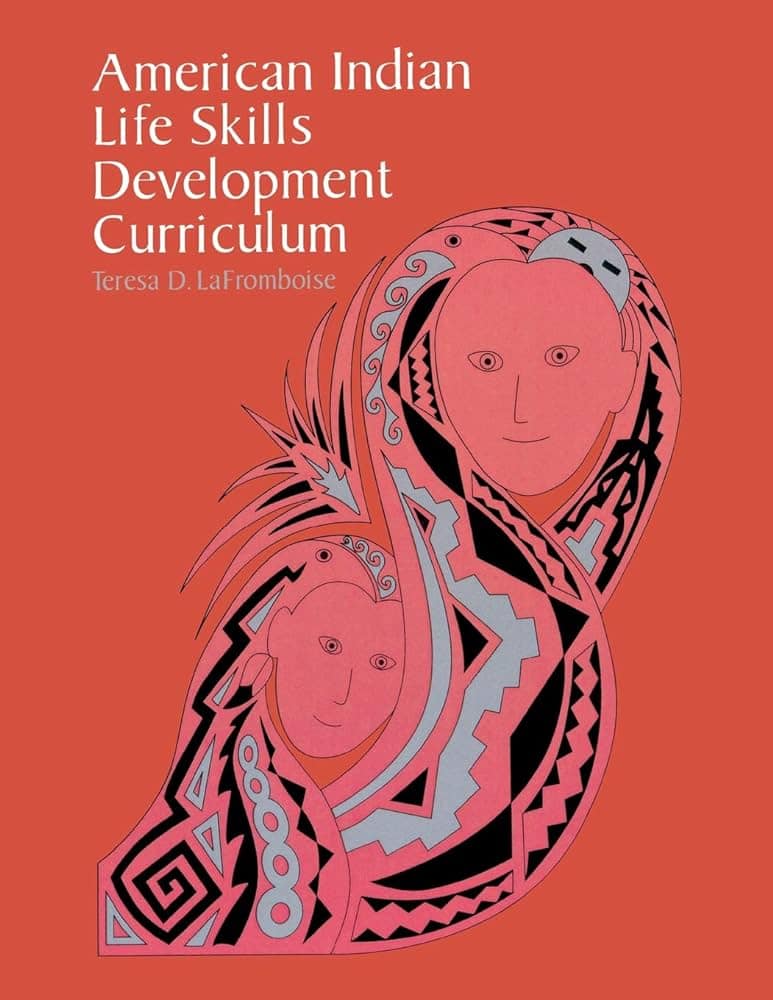
A school-based, culturally sensitive, suicide-prevention program for American Indian adolescents, also known as Zuni Life Skills Development. Themes this program covers 1) building self-esteem, 2) identifying emotions and stress, 3) increasing communication and problem-solving skills, 4) recognizing and eliminating self-destructive behavior, 5) information on suicide, 6) suicide intervention training, and 7) setting personal and community goals. The curriculum also incorporates three domains of well-being that are specific to tribal groups: 1) helping one another, 2) group belonging, and 3) spiritual belief systems and practices. Lessons are interactive and incorporate situations and experiences relevant to AI/AN adolescent life such as friendship issues, rejection, divorce, separation, unemployment, and problems with health and the law.
Strategies supporting educational equity (CASEL)
Not available at this time.
Implementation
Below are key implementation details for this program. These specifications help determine if the program is a good fit for your school or organization.
Grade(s)
High School (9-12)
Mental Health Literacy Components
This program addresses the following mental health literacy components: